CS-FSTD
Simulator types: illustrated glossary
In aviation, “simulator” covers several categories of devices. EASA groups them under the term FSTD (Flight Simulation Training Device) and sets their technical requirements in the certification specifications CS-FSTD(A) for aeroplanes and CS-FSTD(H) for helicopters.
Glossary
- FSTDFlight Simulation Training Device
- Generic term for simulation-based flight training devices: FFS, FTD, FNPT and BITD. Each FSTD is qualified by the competent authority at a given level.
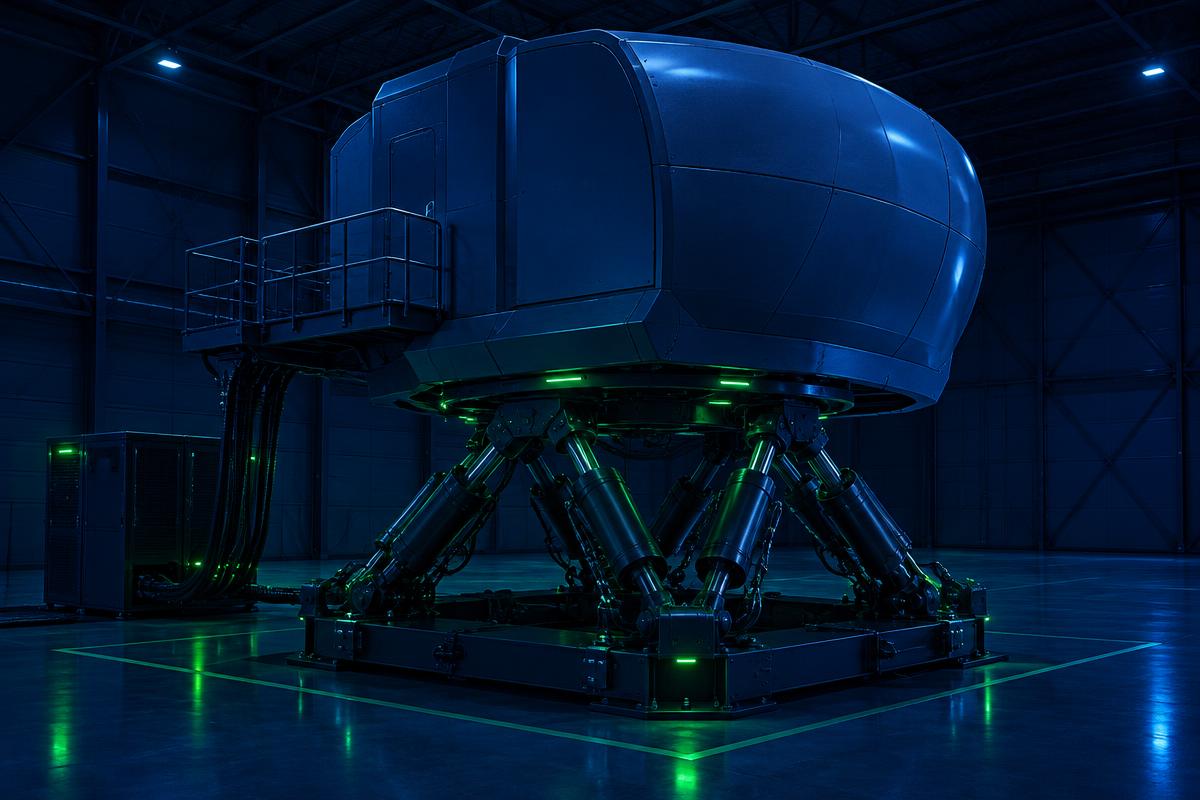
- FFSFull Flight Simulator
- Full-size replica of a specific aircraft type or model flight deck, with an out-of-the-flight-deck visual system and a motion system. It is the highest-fidelity category.
- Levels A to D (D = most demanding requirements).
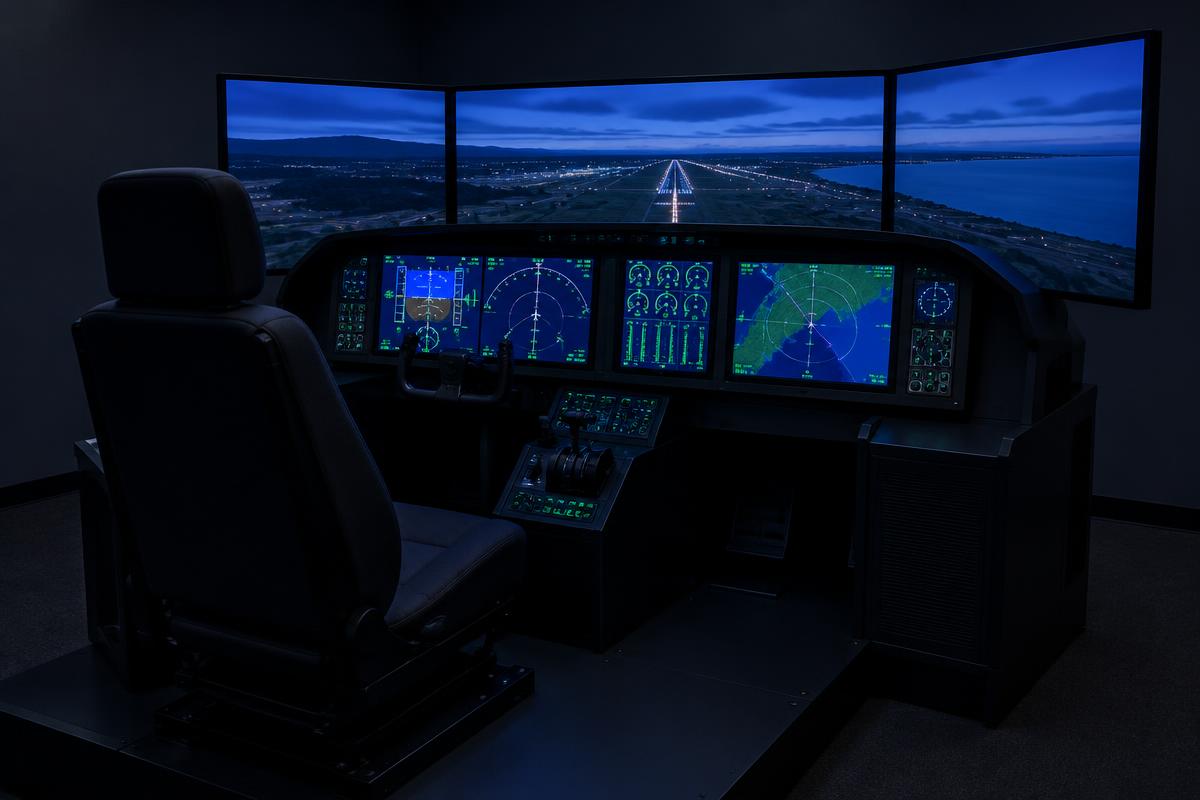
- FTDFlight Training Device
- Replica of an aircraft type's instruments, equipment, panels and controls in an open or enclosed flight deck. A motion or visual system is not required at every level.
- Levels defined by the applicable CS-FSTD (for example 1 and 2 for aeroplanes, 1 to 3 for helicopters).
- FNPTFlight and Navigation Procedures Trainer
- Device representative of an aircraft class or type, mainly used for flight and navigation procedures training, notably instrument flight.
- Levels I, II and III, with an MCC variant for multi-crew cooperation.
- BITDBasic Instrument Training Device
- Basic instrument flight training device representative of a class of aeroplanes. It may use screens to depict instruments.
- QualificationFSTD qualification
- Assessment by the authority of an FSTD's compliance with CS-FSTD, based on a qualification test guide (QTG). It leads to a qualification certificate and recurrent evaluations.
- MaintenanceMaintenance training devices
- Simulation tools for technicians (CBT, VR/AR, procedure trainers, mock-ups) are not FSTDs. Their use is assessed within the Part-147 organisation's approved training programme.
/ What the qualification level changes
An FSTD's level determines the credits it can provide: which training, testing or checking tasks may be performed on it, and to what extent. These credits are set by the regulations applicable to licences and organisations and detailed in approved programmes.
Levels and their requirements evolve with CS-FSTD revisions. Always refer to the current version published by EASA.
EASA
This site presents general concepts. Only official EASA publications (regulations, CS, AMC and GM) are authoritative.
See the texts on the EASA website →